By Greg Bergman |January 26, 2026
January 26, 2026
Homeowners and businesses alike are placing greater importance on energy efficiency and sustainability, not only to reduce operating costs but also to minimize environmental impact. As technology continues to evolve, home automation has emerged as one of the most effective ways to manage energy use intelligently and responsibly. For a professional integration company like LAVA Integration, automation isn't about flashy gadgets but about creating seamless, efficient systems that work together to optimize comfort, performance, and long-term sustainability.
Smart systems now allow properties to respond dynamically to how spaces are used, when they're occupied, and what conditions exist both inside and outside the building. This level of control is transforming how energy is consumed and conserved. As more property owners recognize the value of these systems, professionally designed automation solutions are becoming an essential part of modern living and working environments.
Understanding How Automation Improves Energy Awareness
One of the most powerful ways home automation enhances sustainability is by increasing energy awareness. Traditional homes and offices often consume energy passively, with lights, climate systems, and electronics running regardless of actual need. Automation changes this by providing real-time feedback and intelligent control over energy use.
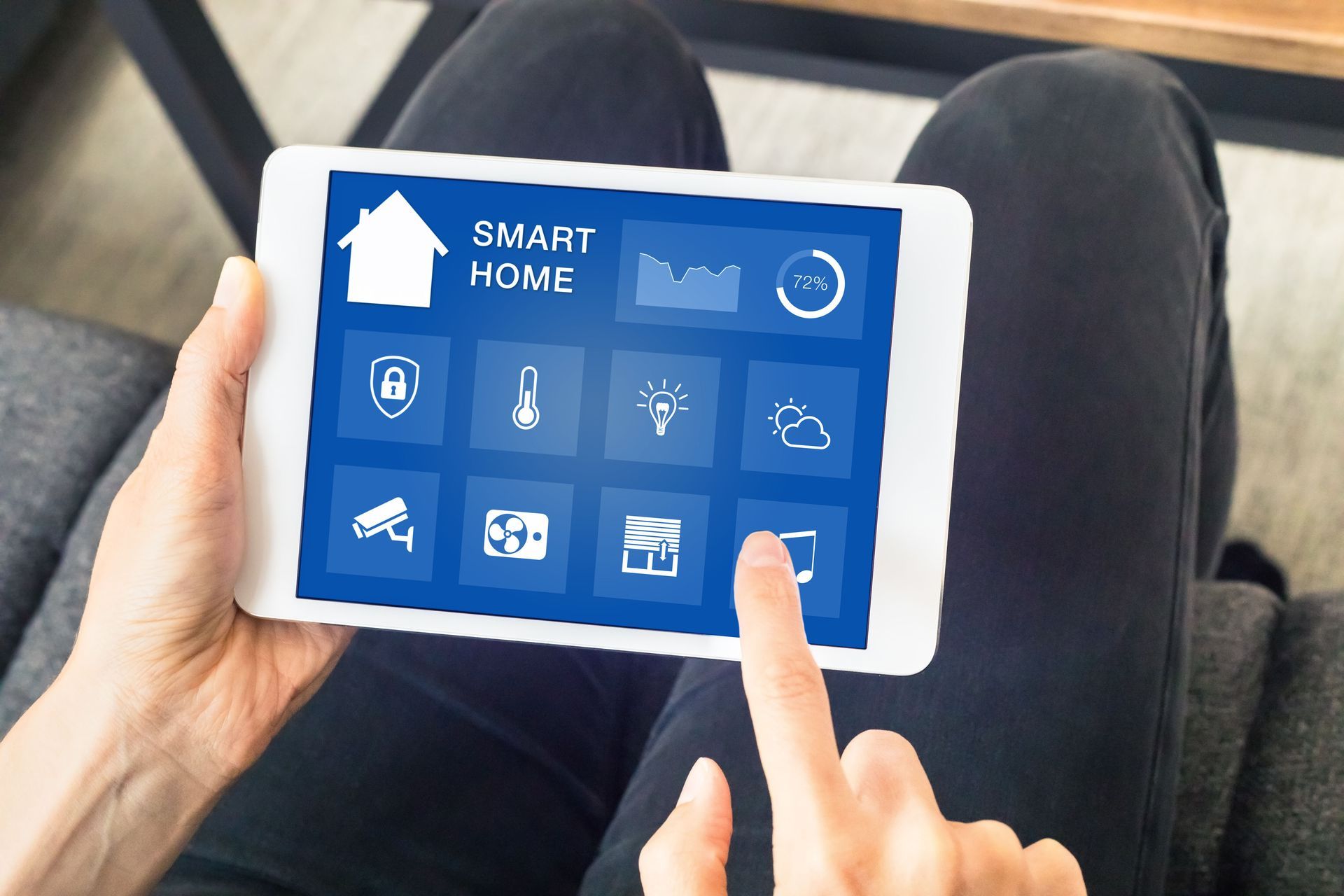
Integrated dashboards and smart interfaces allow property owners to see how much energy different systems are using throughout the day. When heating, cooling, lighting, and audiovisual systems are centrally managed, inefficiencies become immediately visible. This awareness naturally leads to smarter decisions, whether that means adjusting temperature schedules or reducing unnecessary power usage during low occupancy periods.
We design systems that make this information easy to understand and act on. Instead of managing multiple apps or controls, users interact with a unified platform that simplifies energy management and encourages sustainable habits without sacrificing comfort.
Optimizing Climate Control Through Intelligent Systems
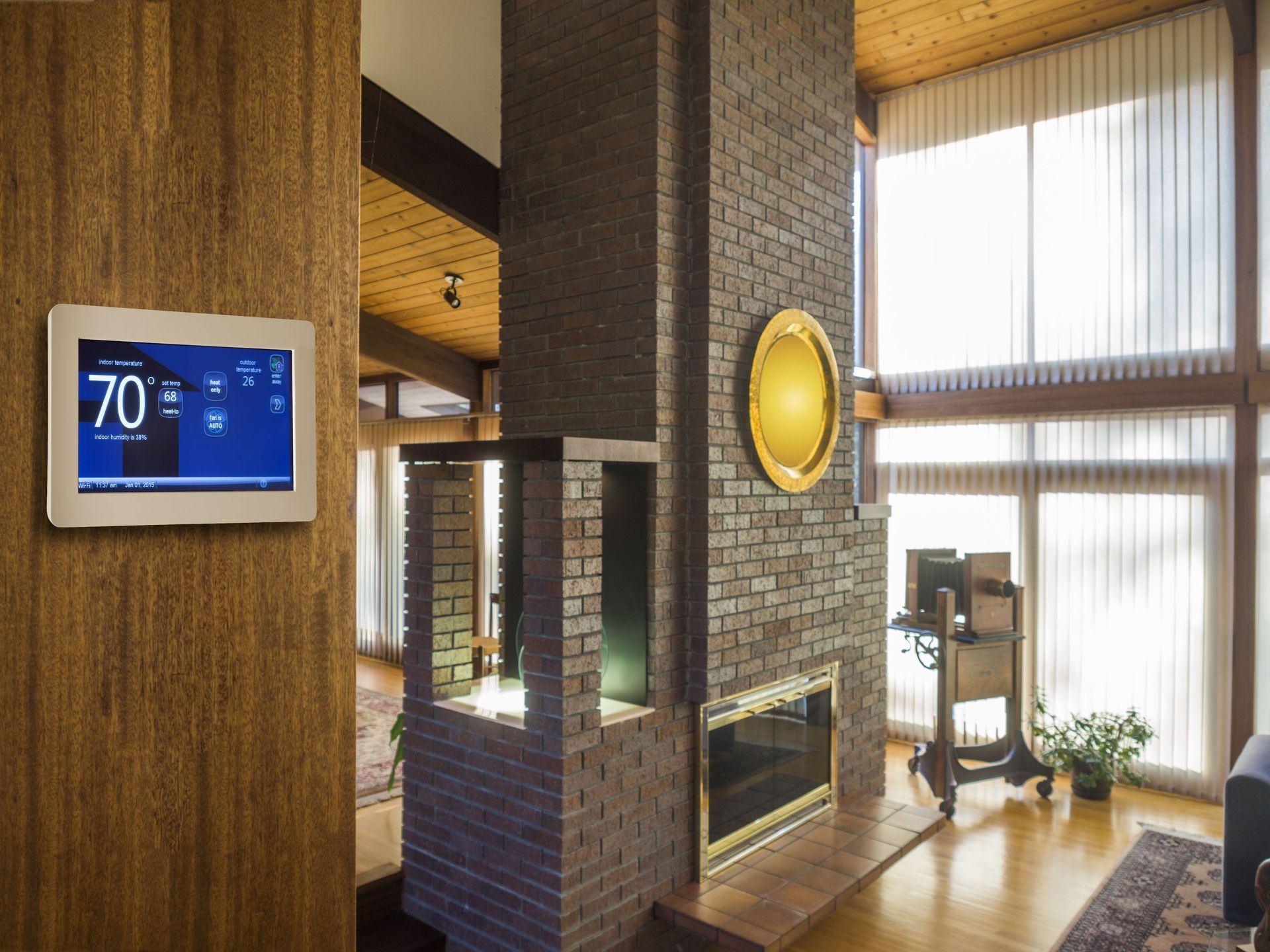
Heating and cooling are among the largest contributors to energy consumption in any property. Home automation allows climate control systems to operate with far greater precision than traditional thermostats. Smart sensors, zoning, and scheduling ensure that energy is used only where and when it's needed.
Automated climate systems can adjust temperatures based on occupancy, time of day, and even outdoor weather conditions. For example, unused rooms can remain at energy-saving temperatures while occupied spaces stay comfortable. Over time, these small adjustments result in significant reductions in energy use and utility costs.
Professional integration is critical here, as improperly configured systems can undermine efficiency gains. We specialize in tailoring climate automation to the specific layout and usage patterns of each property, ensuring that sustainability goals are met without compromising indoor comfort.
Enhancing Lighting Efficiency With Smart Control
Lighting is another area where home automation delivers immediate and measurable sustainability benefits. Automated lighting systems can dim, brighten, or turn off lights based on natural daylight, occupancy, and scheduled routines. This prevents energy waste while maintaining ideal lighting conditions throughout the day.
Advanced lighting control also extends the lifespan of fixtures and bulbs, reducing material waste and replacement frequency. When lighting is integrated with other systems such as shading and climate control, the efficiency gains multiply. Automated shades can reduce heat gain during peak sunlight hours, lowering the demand on cooling systems while maintaining comfortable light levels.
LAVA Integration approaches lighting automation as part of a holistic energy strategy. By coordinating lighting with other smart systems, they help clients achieve a balanced environment that supports both sustainability and visual comfort.
Reducing Standby Power With Smarter System Integration
Many properties waste energy through standby power consumption, often referred to as phantom loads. Devices such as televisions, audio systems, and office equipment continue to draw power even when not actively in use. Home automation addresses this issue by managing power distribution intelligently.
Integrated systems can automatically power down equipment when spaces are unoccupied or when systems aren't in use. For commercial environments, this can translate into substantial energy savings over time. Even in residential settings, reducing standby power contributes meaningfully to overall efficiency and sustainability goals.
Because we integrate audiovisual, networking, and automation systems into a single ecosystem, they can ensure that power management is consistent and reliable across all connected devices. This level of coordination is difficult to achieve with off the shelf solutions alone.
Supporting Sustainable Living Through Predictive Technology
Modern home automation systems are increasingly proactive rather than reactive. By learning usage patterns and responding, these systems further enhance energy efficiency. For instance, a smart system may anticipate when occupants typically return home and precondition spaces efficiently rather than running systems continuously throughout the day.
This predictive capability reduces unnecessary energy consumption while maintaining a seamless user experience. It also supports sustainability by aligning energy use more closely with actual demand. As technology continues to advance, predictive automation will play an even larger role in sustainable property management.
The rapid growth of this sector reflects its value. According to Mordor Intelligence, the home automation market reached a value of USD 104.58 billion in 2025 and is projected to grow to approximately USD 190.09 billion by 2030. This growth highlights how strongly homeowners and businesses are embracing automation as a practical solution for efficiency and sustainability.
Integrating Automation Into Modern Sustainable Design
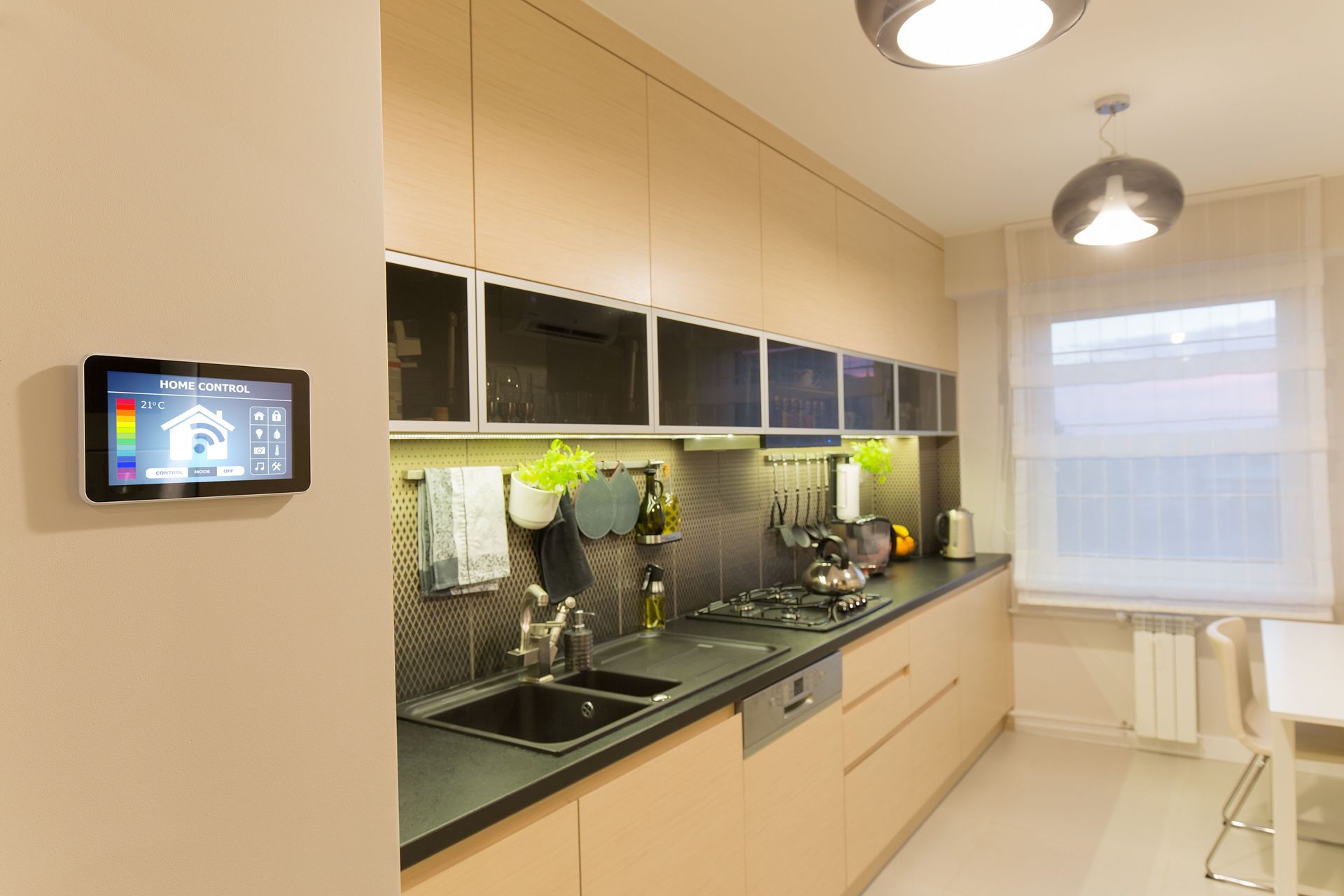
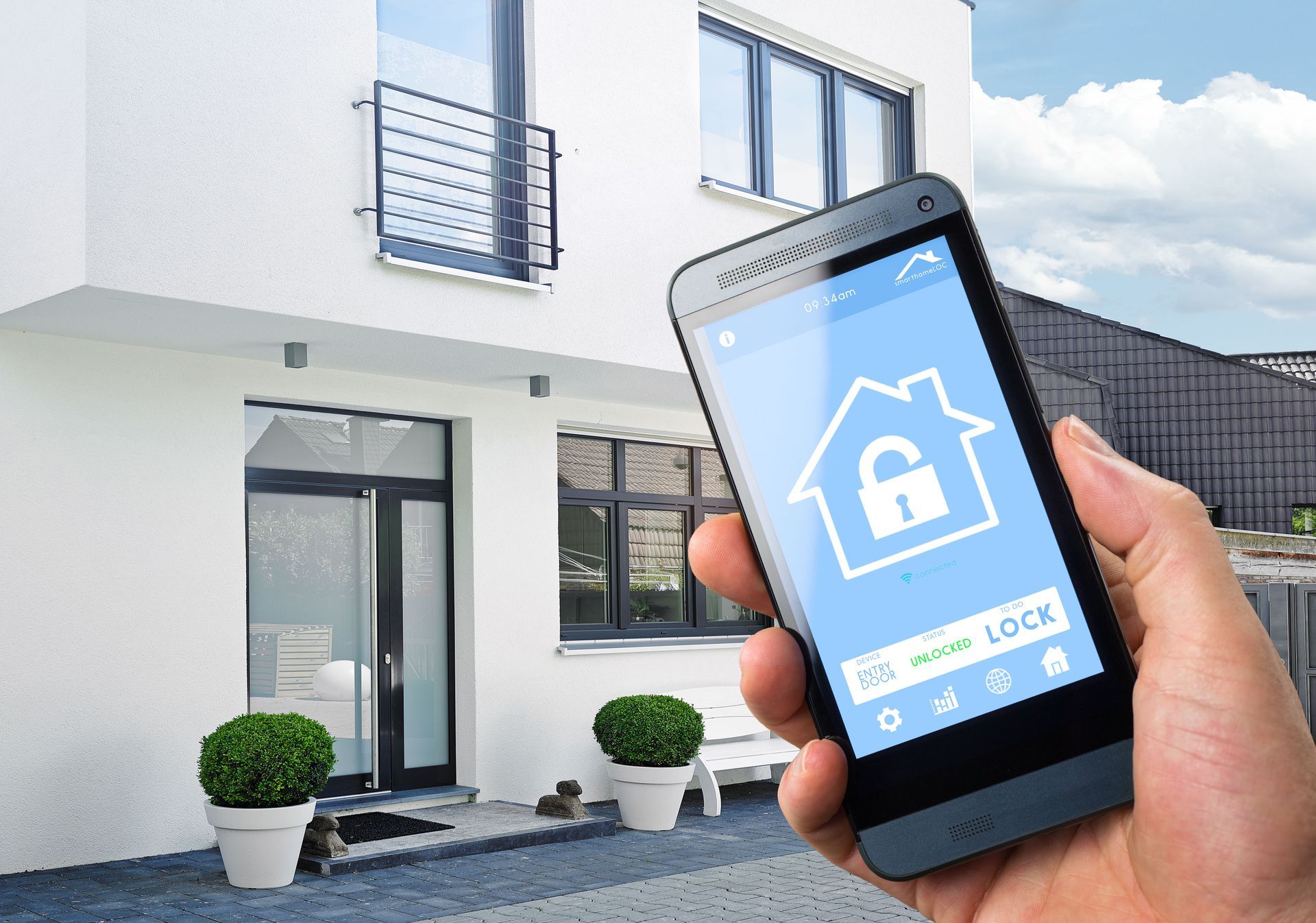
Energy efficiency is most effective when considered as part of an integrated design rather than an afterthought. Home automation supports sustainable design principles by unifying systems into a cohesive whole. When lighting, climate, shading, security, and audiovisual systems communicate seamlessly, the property operates more efficiently at every level.
We work closely with architects, builders, and designers to ensure automation systems are aligned with the overall vision of the space. This collaborative approach allows sustainability features to be built into the foundation of the property rather than added later. The result is a smarter, more efficient environment that feels intuitive rather than technical.
For clients focused on long-term sustainability, this level of integration is essential. It ensures that energy efficiency measures remain effective as technology evolves and property needs change.
Advancing Sustainability Without Sacrificing Comfort
One common misconception about energy efficiency is that it requires compromising comfort or convenience. Home automation proves that the opposite is true. By automating routine adjustments and optimizing system performance, properties can become both more comfortable and more sustainable.
Automated environments maintain consistent temperatures, ideal lighting levels, and seamless system performance with minimal user intervention. This reduces the temptation to override energy-saving settings and ensures that sustainability measures are maintained over time.
We prioritize user experience alongside efficiency. Our systems are designed to enhance daily living and working conditions while quietly reducing energy consumption in the background through intelligent automation and seamless system integration.
The true potential of home automation is realized when systems are professionally designed, installed, and maintained. Generic solutions often fail to deliver meaningful energy savings because they lack proper integration and customization. Working with an experienced provider ensures that automation supports real sustainability goals rather than adding unnecessary complexity.
With deep expertise in integrated technology solutions, LAVA Integration helps clients make informed decisions that align with both energy efficiency objectives and lifestyle needs. Our tailored approach ensures that automation systems continue to deliver value long after installation. If you're ready to reduce energy waste, enhance sustainability, and experience the full benefits of professionally designed home automation, contact us today to start creating a smarter and more efficient environment.