By Greg Bergman |September 24, 2026
September 24, 2026
Residential technology has changed rapidly in recent years, moving beyond isolated smart devices toward systems that work together throughout the home. Lighting, climate control, security, entertainment, shading, and other features can now be coordinated through centralized controls, mobile apps, voice commands, or programmed routines. These capabilities are changing how homeowners interact with their living spaces and what buyers increasingly expect from modern properties.
According to RubyHome, 78% of homebuyers say they would be willing to pay more for a smart home. That level of interest reflects how connected technology is becoming part of the broader conversation about comfort, convenience, efficiency, and property design. As home automation becomes more integrated into residential construction and renovation, its influence is likely to continue expanding across multiple aspects of daily life.
Creating More Convenient Daily Routines
Making Common Tasks Easier
Connected systems can reduce the number of individual actions required to manage a home. Lighting, shades, thermostats, locks, and entertainment equipment can be coordinated so homeowners do not have to adjust each component separately. That convenience can be especially valuable during busy mornings, evenings, or times when several household systems need attention at once.
Making Controls More Centralized
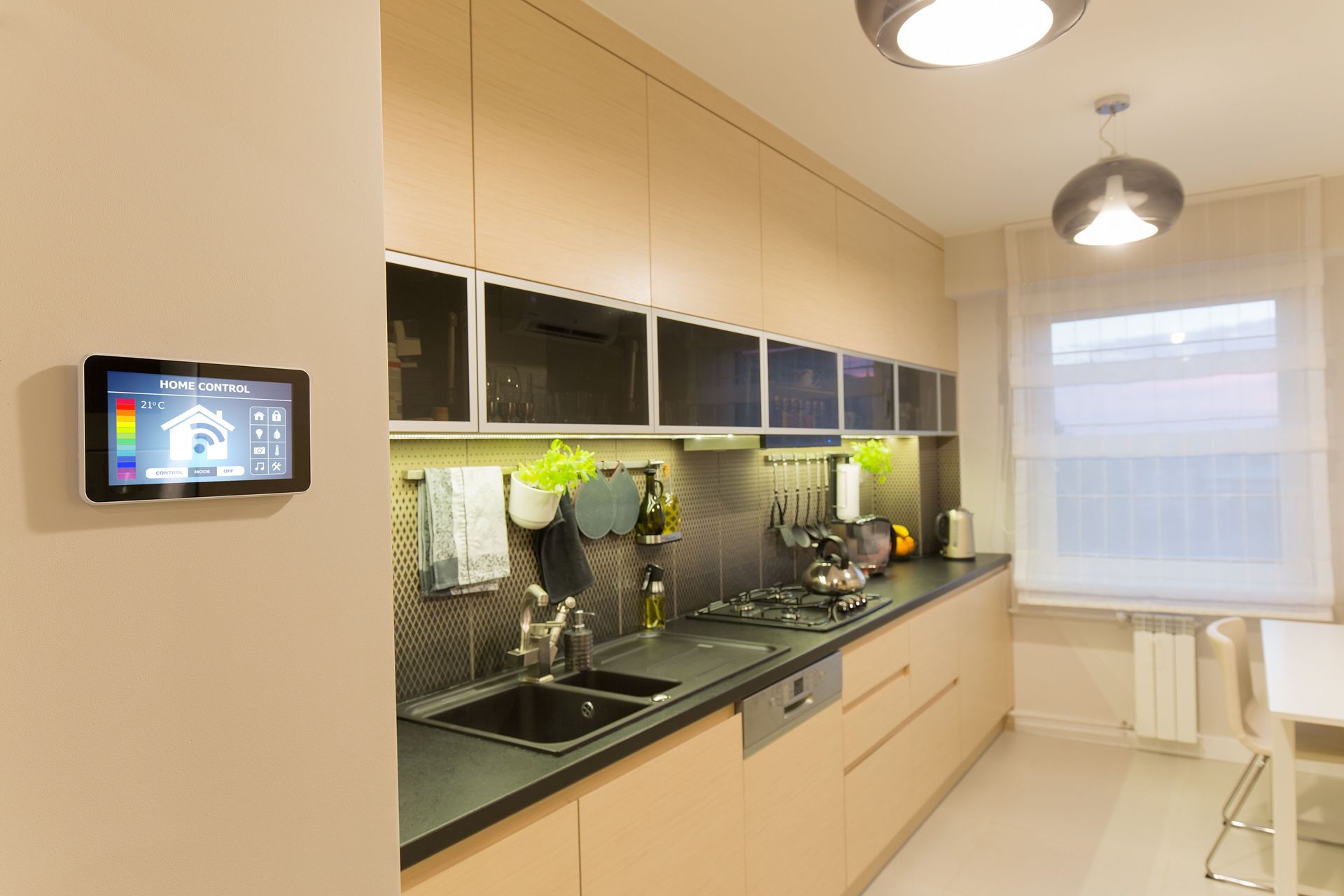
Modern residential systems increasingly bring multiple functions into a single interface. Instead of relying on several remotes, switches, or apps, homeowners may be able to manage different parts of the property from one control point. Well-planned home automation can make technology feel less fragmented and more naturally integrated into everyday routines.
Making Schedules More Flexible
Automated schedules can help a home respond to regular patterns throughout the day. Lighting may adjust at certain times, temperature settings can change around occupancy patterns, and motorized shades can follow programmed routines. These functions reduce the need for repeated manual adjustments while still allowing homeowners to make changes whenever their schedules shift.
Making Access More Convenient
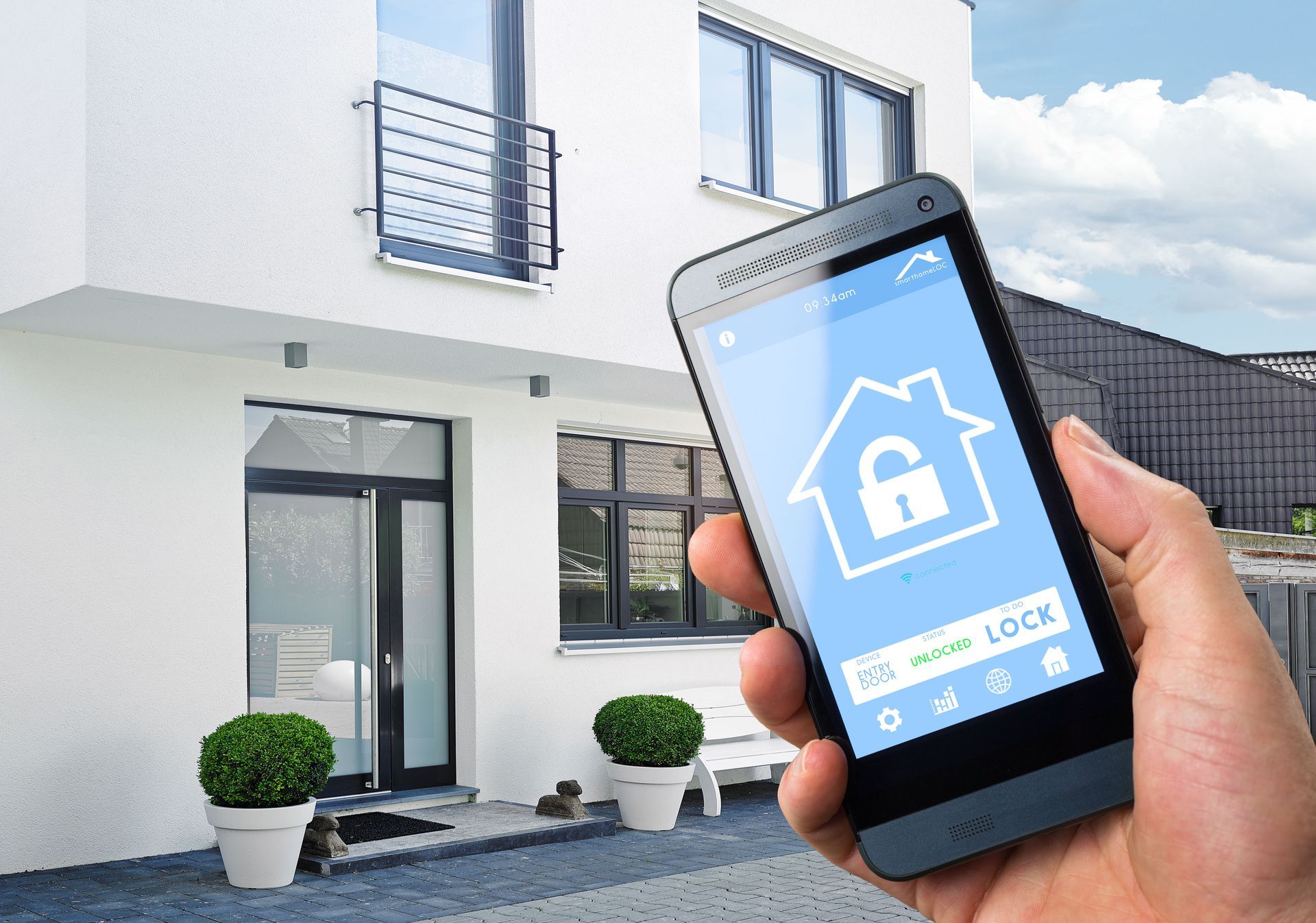
Connected controls can also make it easier to manage the home while away. Depending on the installed system, homeowners may be able to review certain settings, adjust temperatures, manage lighting, or check whether doors are secured. Remote access extends household control beyond the physical property and can provide useful flexibility during workdays or travel.
Creating More Personalized Living Spaces
Adapting Lighting to Activities
Lighting can play an important role in how a room feels and functions. Connected lighting systems allow different settings to support activities such as reading, entertaining, dining, watching television, or relaxing. Rather than relying on one fixed brightness level, homeowners can create environments that better reflect the way each room is being used.
Adapting Entertainment to Preferences
Audio and video systems can also become more personalized when they are connected across the residence. Homeowners may want music in several rooms, separate entertainment zones, or coordinated controls that simplify how media is accessed. Home automation can help bring these elements together so entertainment technology feels consistent throughout the home.
Adapting Climate to Comfort
Comfort preferences can vary by room, time of day, and household member. Integrated climate controls can support more responsive management of heating and cooling settings when compatible equipment is installed. The goal is not simply to automate temperature changes, but to make the home's environment better aligned with how residents actually use different spaces.
Adapting Spaces to Household Changes
Residential needs evolve over time. A home office may later become a bedroom, family schedules can change, and entertainment priorities may shift. Flexible technology systems can help homeowners adjust how spaces function without treating every change as an entirely separate project. Scalability is becoming an increasingly important part of residential technology planning.
Creating More Connected Security Features
Connecting Entry Management
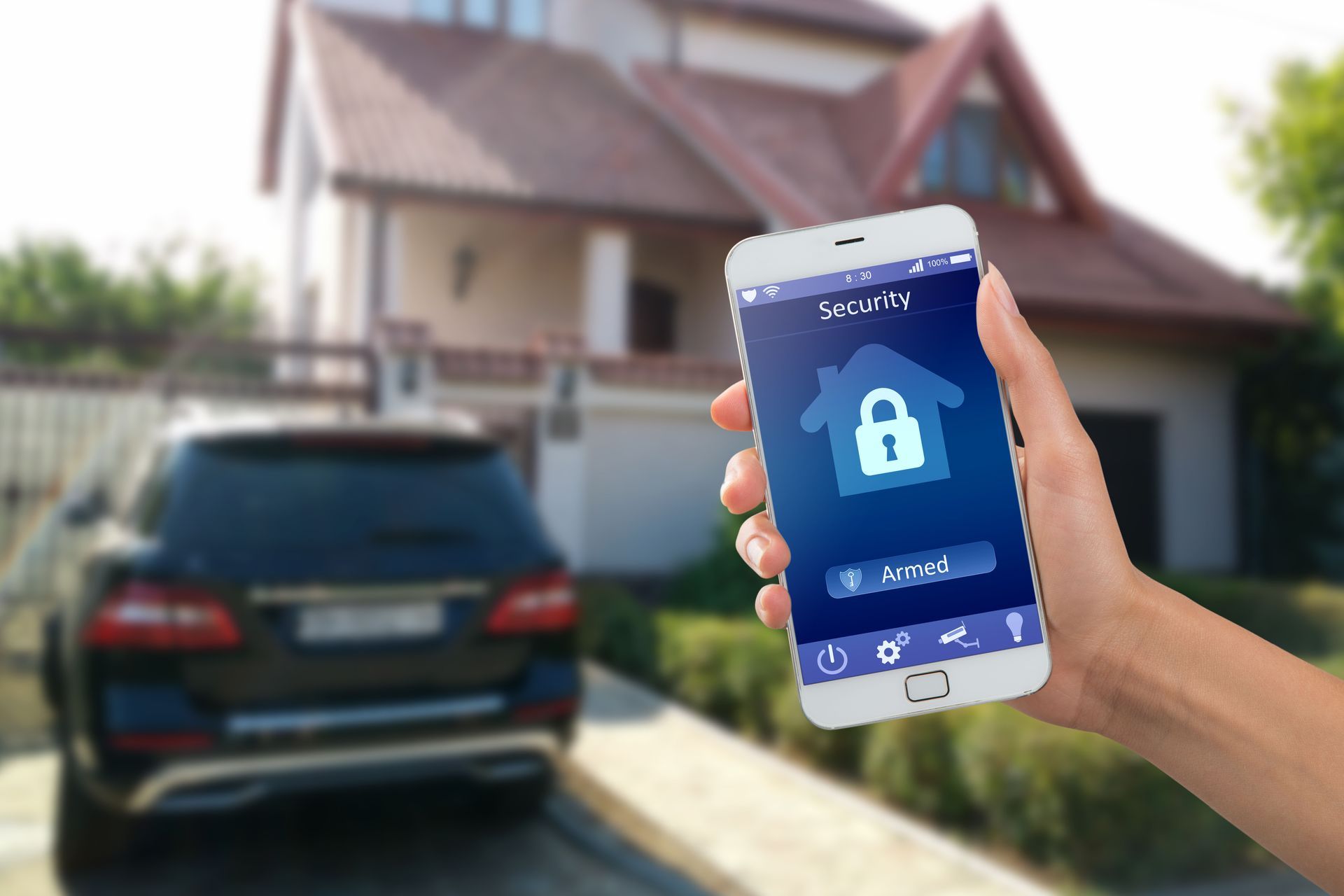
Smart locks, access controls, video doorbells, and related devices can provide homeowners with additional ways to monitor and manage entry points. When these components are integrated rather than operating independently, residents can interact with them through a more consistent system. That coordination can simplify routine security management.
Connecting Cameras and Sensors
Cameras, motion sensors, contact sensors, and other monitoring devices can provide information about activity around a property. Integrated systems may allow homeowners to review several sources of information from one interface. Home automation can therefore support a broader approach to residential awareness by bringing compatible security components together.
Connecting Lighting With Security
Lighting can serve both practical and security-related purposes. Exterior and interior lights may be programmed to respond to schedules, occupancy, or other system events. Coordinating lighting with security technology can make the home more responsive without requiring homeowners to manually manage several separate systems.
Connecting Notifications and Alerts
Many residential systems can send notifications when specific events occur. Depending on the setup, homeowners may receive alerts related to entry points, movement, environmental sensors, or other connected equipment. These notifications can provide useful information when residents are away and help them stay aware of changes occurring at the property.
Creating More Efficient Home Management
Managing Lighting More Precisely
Lights are often left on longer than necessary simply because no one remembers to turn them off. Scheduling, occupancy-based controls, and centralized management can reduce unnecessary operations. When home automation is designed around actual household habits, it can make lighting management more consistent without requiring constant attention.
Managing Climate More Responsively
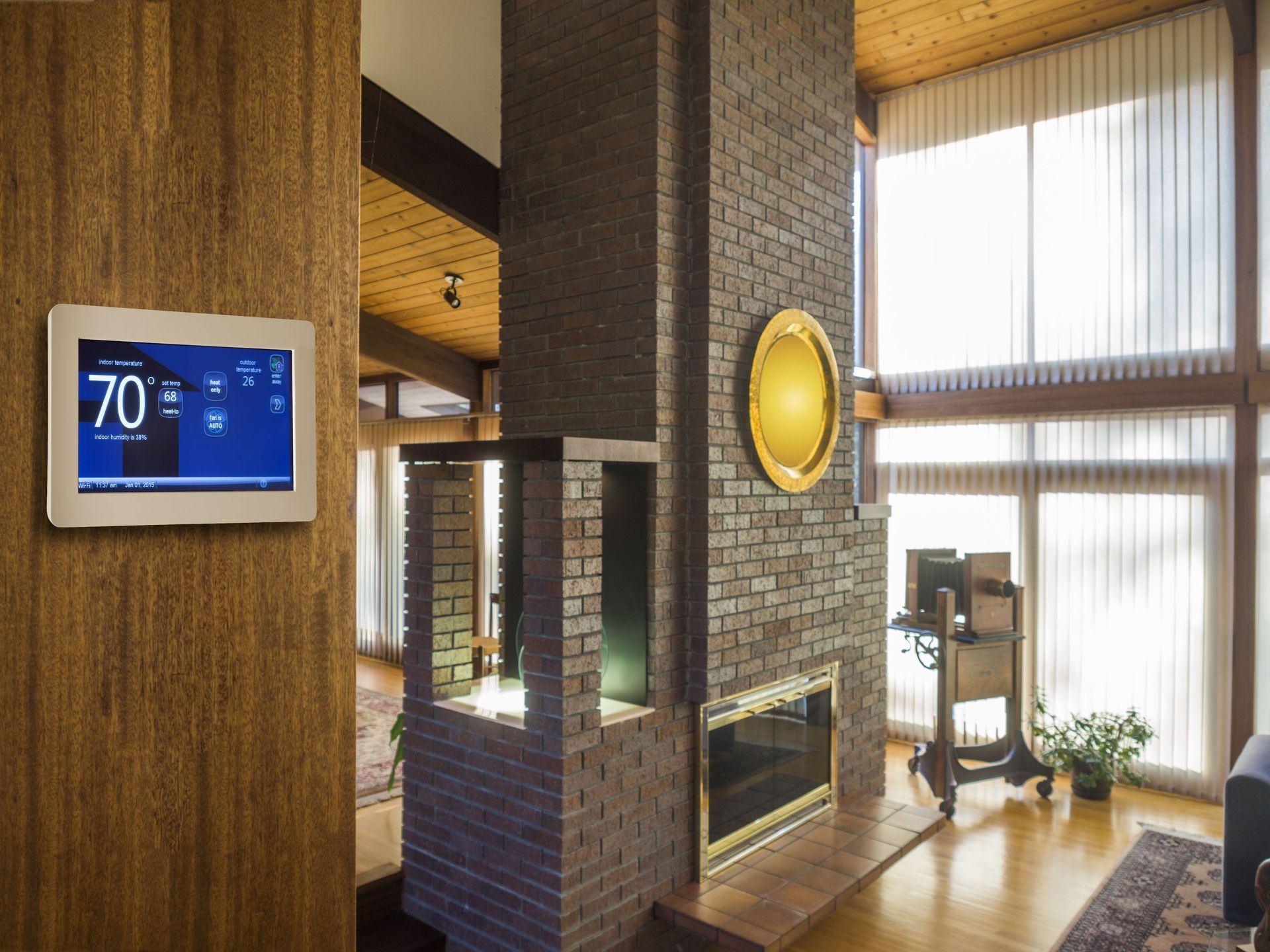
Heating and cooling represent major components of household energy use. Connected thermostats and integrated controls can help homeowners manage temperature settings around occupancy and daily schedules. More responsive control does not eliminate the need for efficient HVAC equipment, but it can help residents use that equipment in a way that better reflects household routines.
Managing Shades More Strategically
Motorized shades can contribute to comfort by controlling glare, privacy, and sunlight throughout the day. When integrated into a larger system, they may operate according to schedules or other programmed settings. Their role can extend beyond appearance by helping homeowners manage natural light more consistently across different rooms.
Managing Systems From One Interface
A growing number of homeowners want technology that is easier to operate, not simply more advanced. Centralized controls can reduce the confusion created by multiple disconnected devices. Home automation can make household management more straightforward when lighting, climate, entertainment, security, and related features are organized within a cohesive platform.
Creating More Future-Ready Homes
Supporting Changing Technology
Residential technology continues to evolve, which makes flexibility an important consideration. Homeowners may eventually want to add new devices, expand existing systems, or replace outdated equipment. A well-planned foundation can make future changes easier to accommodate than a collection of unrelated products installed at different times.
Supporting New Construction Goals
Connected technology is increasingly considered during the design and construction stages rather than being added after a home is complete. Planning for wiring, equipment locations, networking, and control systems early can help create a cleaner and more integrated result. This approach can also reduce the need for disruptive changes later.
Supporting Renovation Goals
Existing homes can also benefit from modern residential technology. Renovations often create opportunities to update wiring, improve network infrastructure, or add integrated controls while other work is already underway. Home automation can therefore become part of a broader effort to modernize how a residence functions.
Supporting Long-Term Property Appeal
As more buyers become familiar with connected homes, integrated technology may increasingly influence expectations during the home-search process. Features that improve convenience, comfort, security, and control can become part of how buyers evaluate a property's overall functionality. Thoughtful integration can help a home remain aligned with changing residential preferences.
Connected residential technology is shaping the future of living by making homes more convenient, personalized, secure, efficient, and adaptable. As systems become easier to integrate and homeowners become more familiar with their capabilities, home automation is likely to become an even more common part of residential design and renovation.
If you are considering ways to modernize your living space, contact LAVA Integration today to discuss professionally designed technology solutions that can bring greater control, comfort, and connectivity to your home.