By Greg Bergman |July 28, 2026
July 28, 2026
The modern home is rapidly evolving with the integration of technology, transforming traditional residences into smart homes. Home automation services are at the forefront of this transformation, enabling homeowners to experience greater convenience, improved energy efficiency, and enhanced security. These services utilize advanced technologies to seamlessly control smart devices, thereby meeting the growing demands for smart homes. As the demand for these technologies increases, so does the importance of understanding how they work and what benefits they bring. Here, we'll explore the role of home automation services in helping meet these escalating demands.
The Demand for Smart Homes
The Internet of Things (IoT) has been pivotal in transforming homes into interactive smart environments. By allowing various devices and systems within a home to communicate with one another, IoT creates a cohesive network that is easy to control. This connectivity is at the heart of home automation services, providing users with more seamless ways to manage and interact with their living spaces. With the increase in IoT devices and their integration into daily life, smart homes are becoming not just an option but a necessity for many. As IoT technology continues to advance, its adoption in residential spaces only grows, paving the way for smarter home environments.
Consumer preferences lean heavily towards technologies that enhance convenience and User experiences within the home. Smart home devices, facilitated by home automation services, allow users to control their environment with minimal effort, whether adjusting the thermostat or managing home security. This level of convenience is one of the primary reasons consumers invest in smart home technologies. According to RubyHome, 7 in 10 homebuyers are actively looking for a smart home, signifying a significant shift in what customers value in their properties. The growing preference for convenience suggests that smart automation services are becoming increasingly important in residential settings.
One of the significant motivations behind the rise of smart homes is the consumer demand for convenience. Consumers are increasingly drawn to home technologies that simplify everyday tasks and offer an enhanced living experience. Smart homes equipped with automation services allow homeowners to command their environment with a touch of a button or a simple voice command. This ability to manage lighting, temperature, and security from a centralized control point highlights the convenience principle these technologies offer. By meeting these preferences for convenience, home automation services significantly contribute to the growing demand for smart homes.
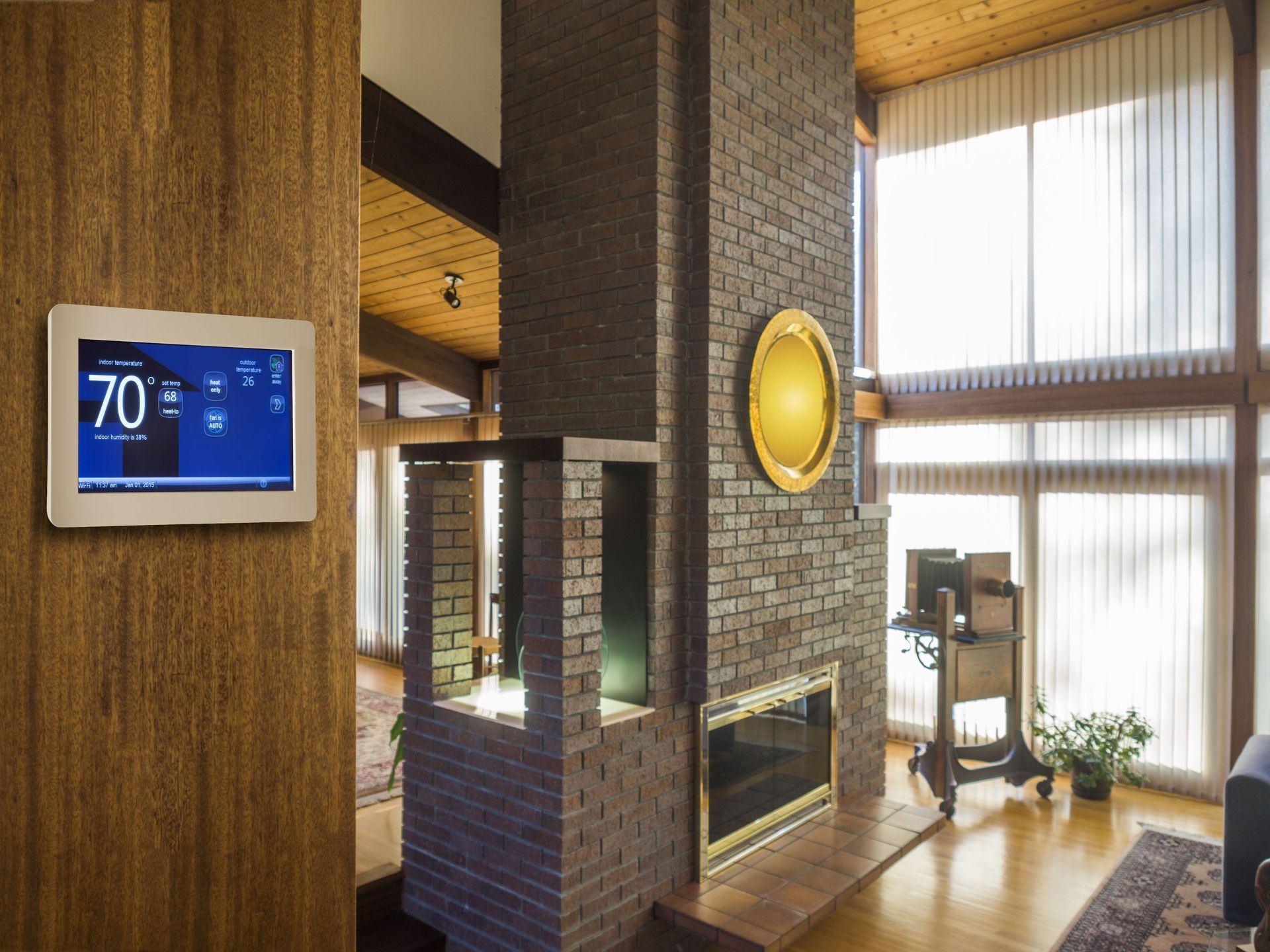
Energy efficiency is another vital factor driving the adoption of smart home technologies. Home automation services provide tools that help manage energy consumption, reducing waste and lowering bills. Smart thermostats, energy-efficient lighting, and automated window shades are examples of how automation services can be utilized to achieve these savings. By optimizing the use of resources, homeowners can minimize their carbon footprint while enjoying financial savings. The pursuit of energy efficiency coupled with cost savings strengthens the argument for investing in smart homes, benefiting both the planet and the residents financially.
The desire for increased energy efficiency and the resulting cost savings are paramount in the decision to invest in smart home technology. Home automation services allow for granular control over home energy use, ensuring that users have the ability to manage their consumption effectively. Automation routines can be programmed to turn off lights when not in use, adjust heating or cooling based on occupancy, and provide real-time energy consumption data. Consumers appreciate the potential savings on utility bills and the positive environmental impact. As energy awareness continues to rise, the push for smart technology in homes will likely escalate further, making energy-efficient solutions a staple feature.
Key Features of Home Automation Services
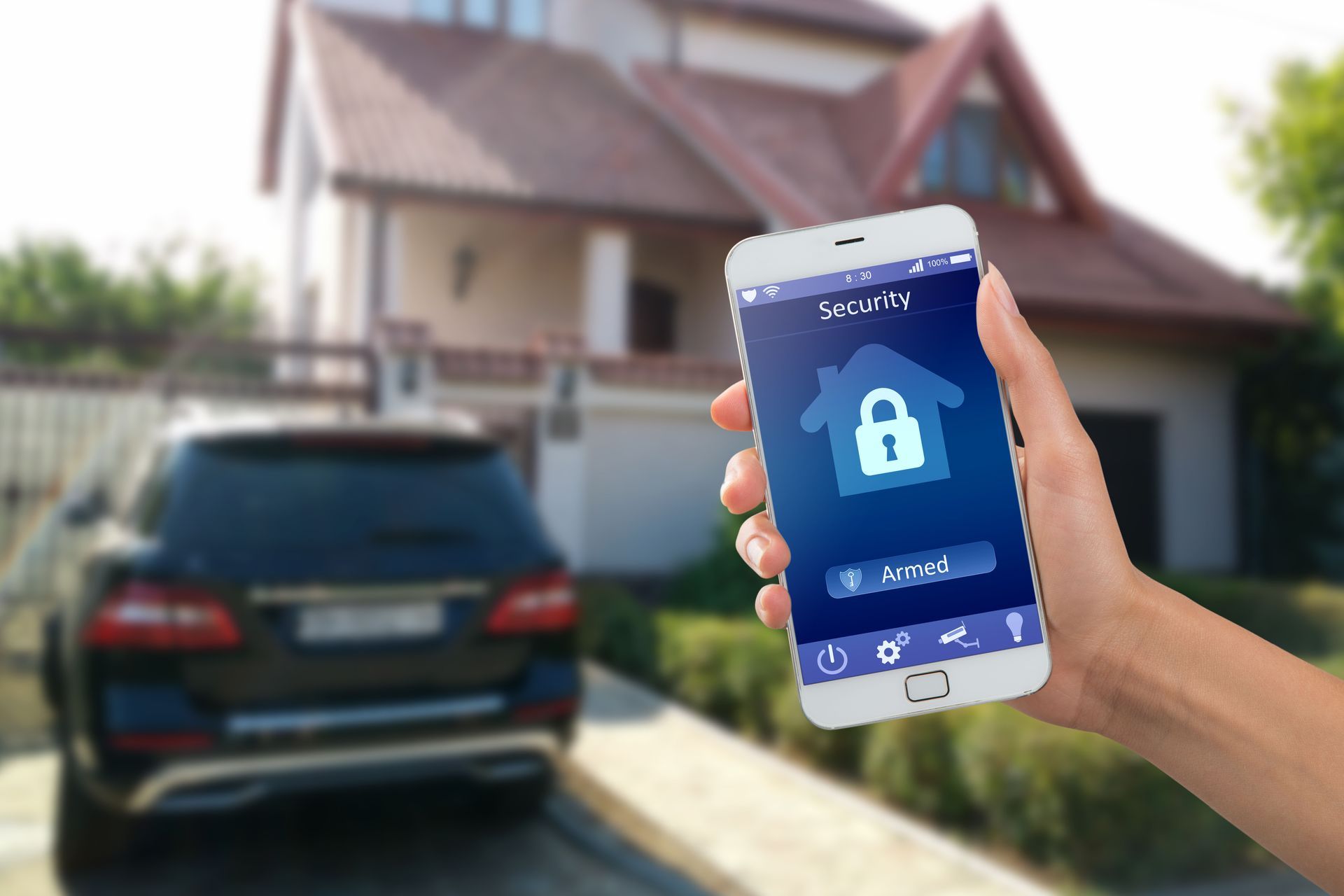
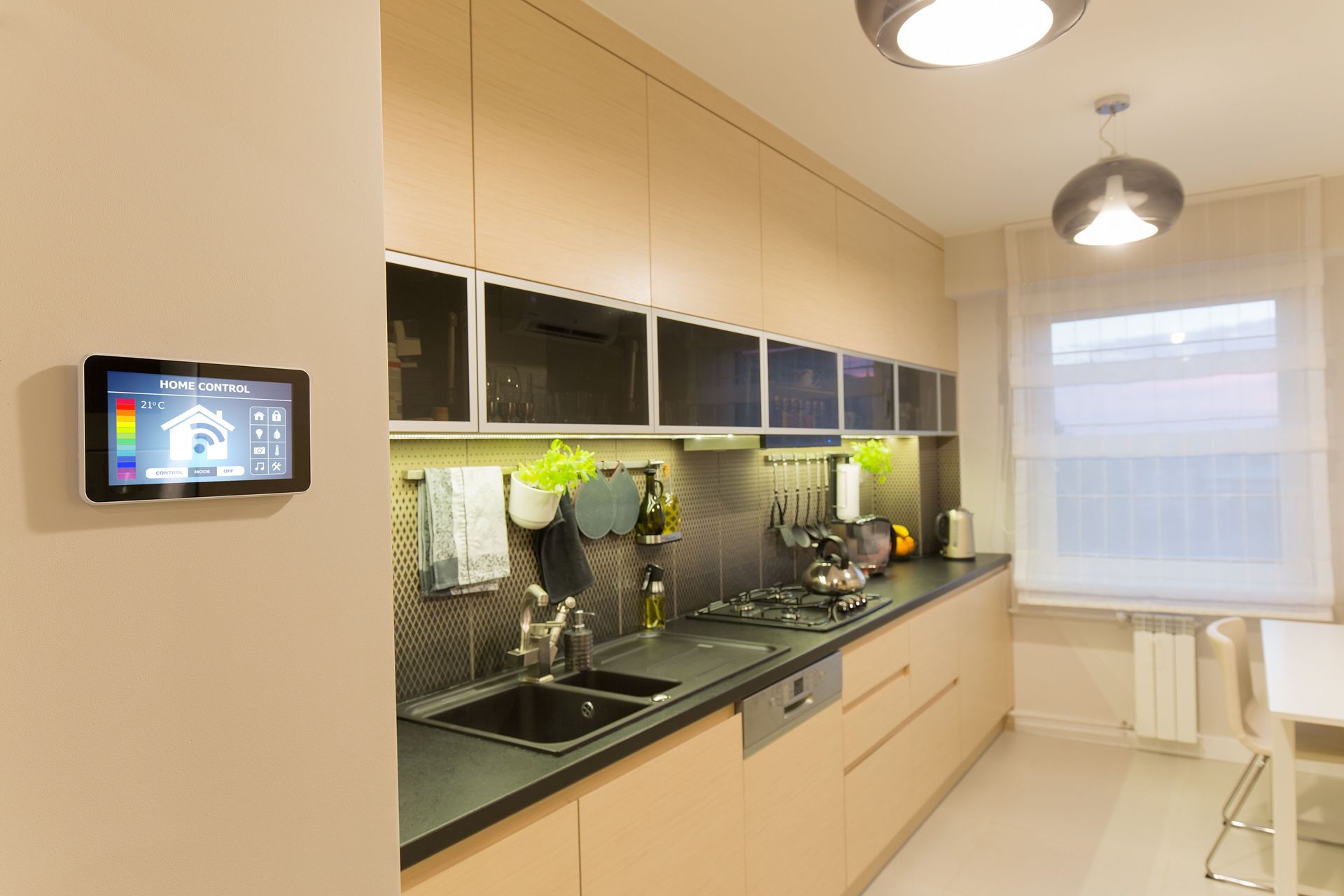
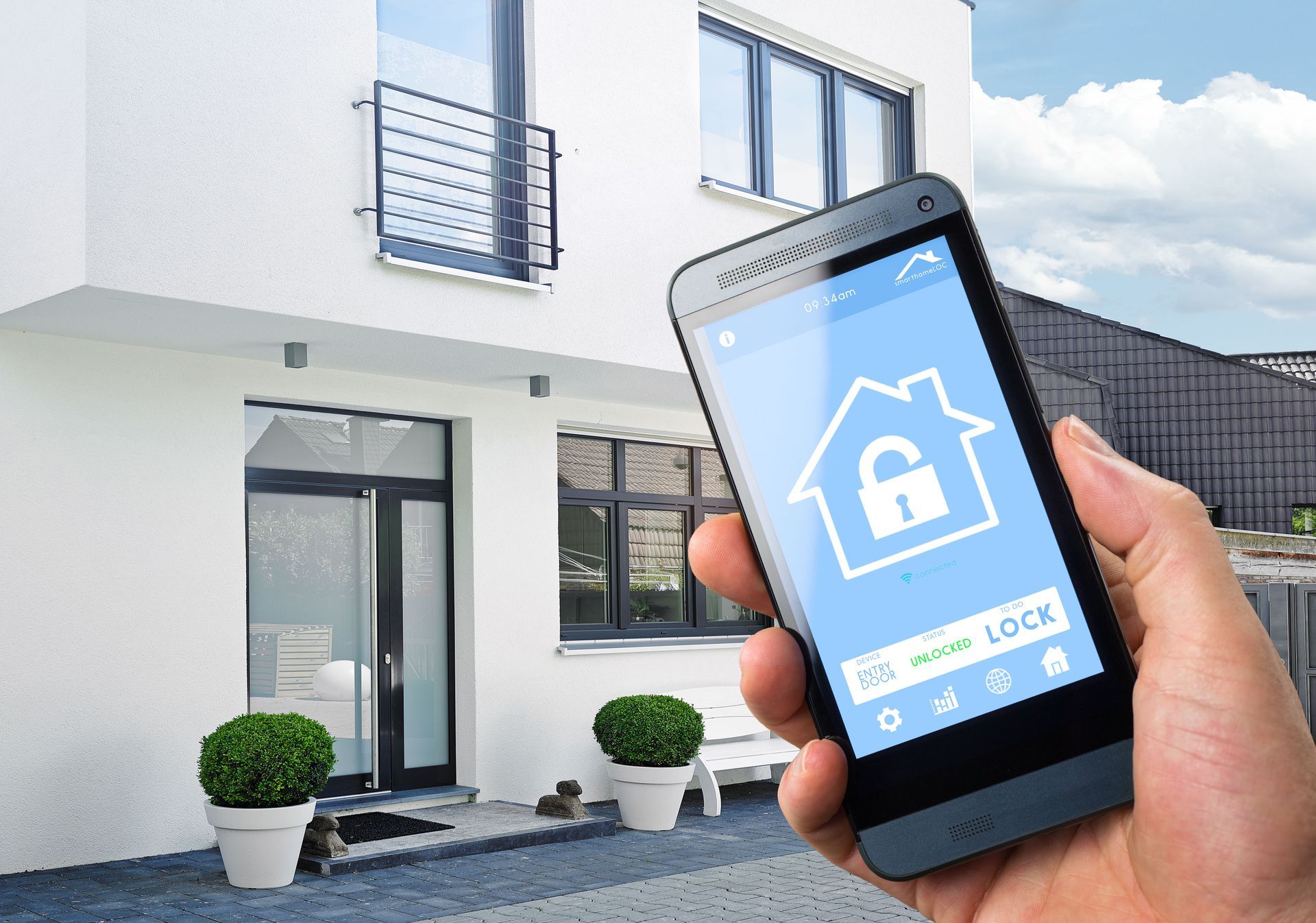
Centralized control systems are at the core of home automation services, providing a unified interface for managing different smart devices. These systems allow homeowners to operate multiple devices from a single platform, streamlining control and enhancing user convenience. From adjusting the thermostat to configuring security settings, centralized control systems are designed to make home management intuitive and efficient. They can be accessed via various devices, including smartphones, tablets, and voice-activated assistants, increasing user accessibility. This comprehensive control experience is fundamental to the attractiveness of home automation services for many consumers.
Integration with smart devices is a crucial feature of any home automation service, ensuring a seamless and cohesive smart home experience. Automation services are designed to work with a wide range of smart devices, from lighting systems to security cameras, providing a holistic approach to home automation. The ability to integrate with multiple devices means that homeowners can expand their smart home system as needed without compatibility concerns. This flexibility makes it possible to customize the smart home environment to suit individual preferences and needs. By providing seamless integration, home automation services enhance the overall utility and effectiveness of smart home technologies.
The value of home automation services is augmented greatly by their ability to integrate with the myriad of smart devices available on the market. This compatibility ensures that users can enjoy the benefits of their investments without being limited by brand compatibility or technological barriers. With the ever-increasing number of IoT devices, integration becomes crucial to maximizing the utility and operation within the home, allowing users to control their full range of appliances, sensors, and entertainment systems. Homeowners favor this all-encompassing control, which offers both convenience and flexibility. Successfully integrated systems enhance the appeal of smart homes, exceeding mere convenience.
Customizable automation routines play a significant role in enhancing the smart home experience. These routines allow users to personalize how their home operates by setting specific conditions for device interactions and responses. Whether programming lights to switch on at sunset or setting the thermostat to adjust automatically based on weather forecasts, these routines ensure that the home environment adapts to the user's lifestyle. The ability to customize automation routines provides a distinct advantage, as it allows homeowners to tailor the smart home environment to meet their specific needs and preferences. This personalization is pivotal in maximizing comfort and utility within smart homes.
Technological Advances in Home Automation
Artificial Intelligence (AI) and Machine Learning (ML) have revolutionized the potential of home automation systems. By enabling systems to learn from user behaviors and preferences, AI and ML allow for smarter and more tailored automation experiences. These technologies create a dynamic and adaptable home environment that continuously optimizes itself based on user interactions. Through learning algorithms, these systems can anticipate user needs and make intelligent decisions autonomously, such as adjusting temperatures or suggesting energy-efficient settings. The incorporation of AI and ML in home automation represents a significant advancement in creating truly intelligent living spaces.
Voice control assistants have significantly influenced the way users interact with their smart home environments. Technologies like Amazon's Alexa, Google's Assistant, and Apple's Siri have made voice commands an integral part of home automation services. By simplifying device control through verbal instructions, these voice assistants enhance user convenience and accessibility. This hands-free approach is especially beneficial in busy or multitasking household scenarios, providing efficient control without physical interaction. The popularity of voice control technologies underscores the demand for intuitive interactions within smart homes, pushing further innovation in the field.
As smart home technology continues to advance, home automation services will play an even greater role in creating connected, efficient, and convenient living spaces. From centralized control and energy savings to seamless device integration and AI-powered automation, these systems help homeowners get more value from their homes while simplifying everyday routines. Investing in professional home automation services is an effective way to prepare your home for the future and enjoy the benefits of a smarter, more responsive living environment. For a
home automation service you can rely on, contact LAVA Integration today.